
Ecosystem Profile update and Long-term Vision for the Madagascar and the Indian Ocean Islands biodiversity hotspot
Overview
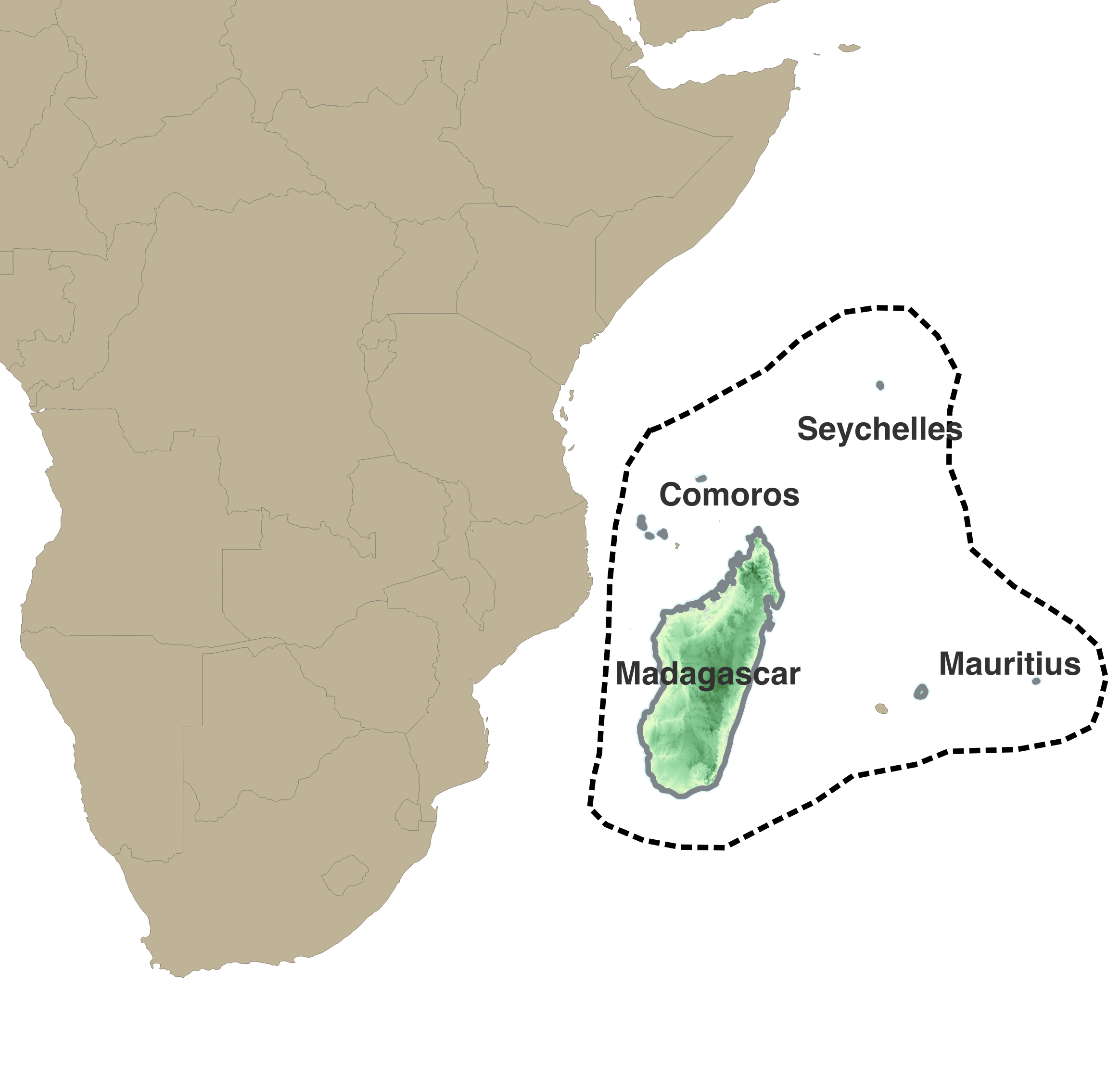
The Madagascar and Indian Ocean Islands (MADIO) hotspot is one of 36 biodiversity hotspots recognized around the world — regions where exceptional concentrations of endemic species meet exceptionally high levels of threat. Spanning Madagascar, Comoros, Mauritius, and Seychelles, the MADIO hotspot is among the most biologically remarkable places on Earth, supporting extraordinary diversity across terrestrial, freshwater, and marine ecosystems, with levels of endemism that rival any region on the planet.
It is also one of the most vulnerable to climate change. The biodiversity of the hotspot underpins the livelihoods and climate resilience of millions of island people, yet it faces mounting pressure from agricultural expansion, overhunting, unsustainable fishing practices, and the accelerating consequences of a changing climate. Communities, civil society organizations, governments, and private sector actors across the region are working to reverse these trends and secure a sustainable future for people and nature alike.
Support from the Critical Ecosystem Partnership Fund
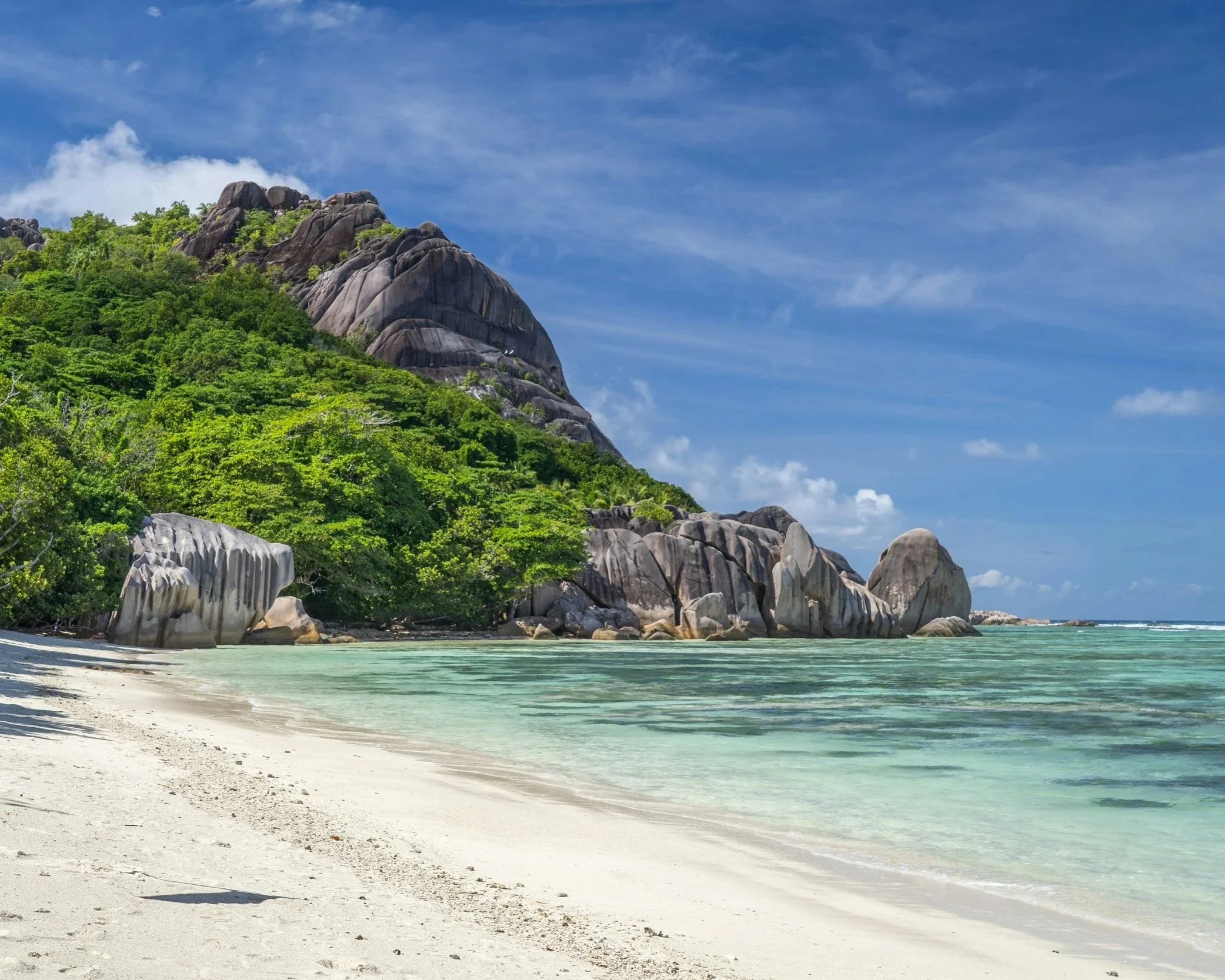
Photo by Paweł Wielądek on Unsplash
Since 2001, the Critical Ecosystem Partnership Fund (CEPF) has been investing in the MADIO hotspot, awarding more than US$30 million to civil society organizations across the four countries. The current investment phase is part of a 10-year, US$50 million program — the Ecosystem-based Adaptation in the Indian Ocean (EBAIO) — funded through the Green Climate Fund and the European Union, and focused on harnessing the power of civil society to deliver ecosystem-based adaptation (EbA) to climate change.
The Ecosystem Profile
CEPF's investment in each hotspot is guided by an ecosystem profile: a five-year strategy grounded in an analysis of the environmental, social, political, and economic context for biodiversity conservation and climate adaptation. The ecosystem profile for the MADIO hotspot was last updated in 2022. Since then, the capacity of civil society, the severity of threats to biodiversity, and patterns of donor investment have all shifted considerably, making an update essential to ensure that the next phase of CEPF investment (2027–2031) addresses the highest priorities and aligns well with other funders.
Beginning in May 2026, a consortium of four organizations is leading the process of updating the ecosystem profile for the MADIO hotspot. At the same time, the process will result in a long-term vision that lays out a pathway for civil society to have the capacity, expertise, resources, partnerships, and influence needed to lead effective conservation action, strengthen community stewardship of natural resources, partner effectively with government and private sector to build climate resilience and inclusive blue and green economies, and sustain measurable outcomes for the long term.
The consortium is led by Natural Capital Insights, a consultancy specializing in ecosystem service science and nature-based planning, and brings together Seascape Solutions, with expertise in marine resources management and coastal resilience in tropical regions; CSF's Conservation Finance Alliance, specialists in conservation finance; and MSIS-Tatao, bringing essential regional knowledge and logistical support from within the hotspot. Together, the team will undertake a comprehensive series of stakeholder consultations across all four countries, engaging government, donors, civil society, and the private sector, aiming to produce a new investment strategy that, together with the long-term vision, will guide CEPF grant-making in the next investment phase.
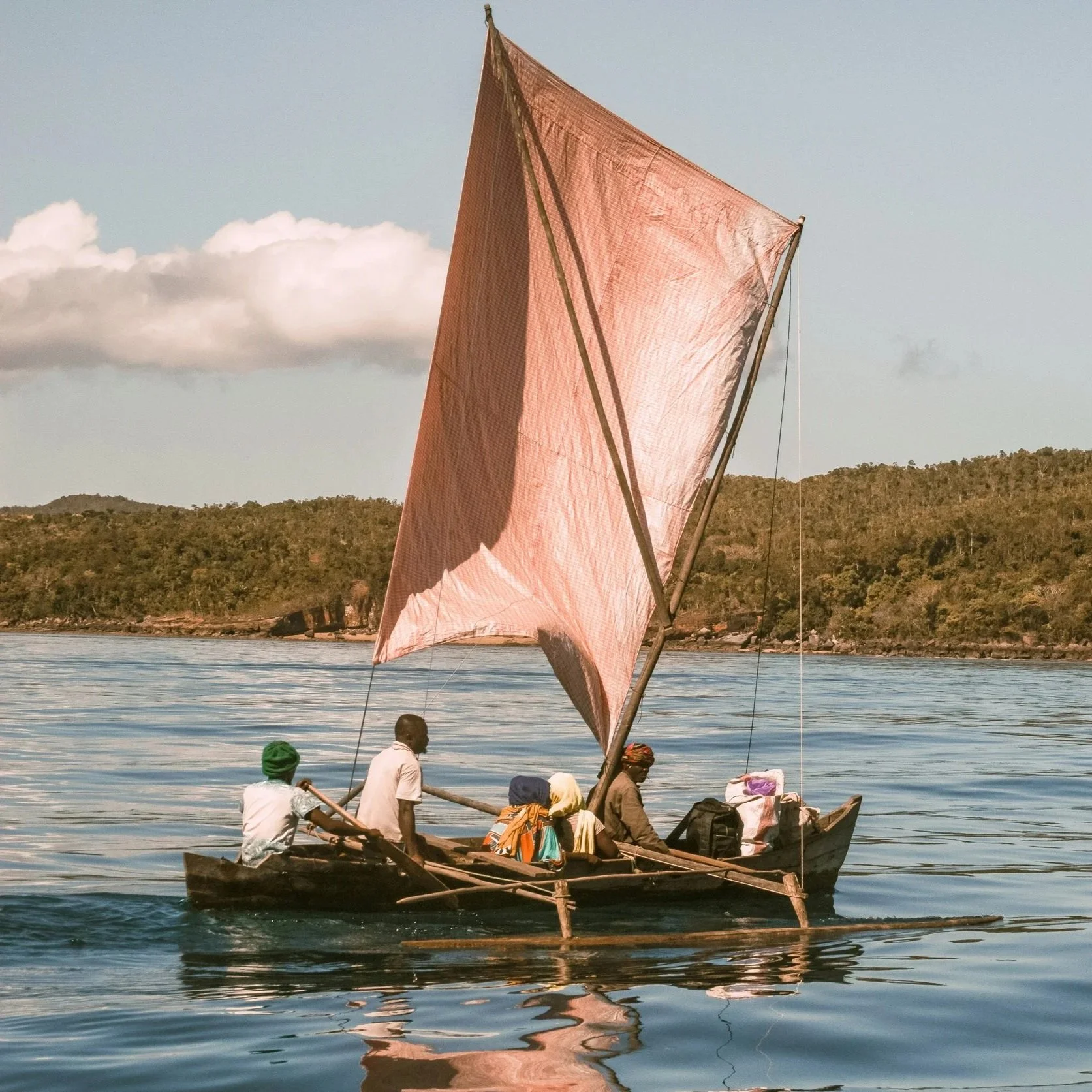
Photo by Alessandro Zanini on Unsplash
Dr. Adrian Vogl, Team Leader for the ecosystem profile update, said:
"At its heart, this process is about building the conditions for local civil society to thrive independently. The Ecosystem Profile and the Long-term Vision will give CEPF and its partners a shared, evidence-based foundation for the next phase of investment — one built from the ground up through genuine dialogue with the people and organizations who know these landscapes and seascapes best.”
Natural Capital Insights and its partners are reaching out to a wide range of stakeholders across the region to seek their input into the ecosystem profile and long-term visioning process.
For further information, please contact the project team at: info@natcapinsights.com
Do you have questions, concerns, or feedback for the team? See our Grievance Mechanism.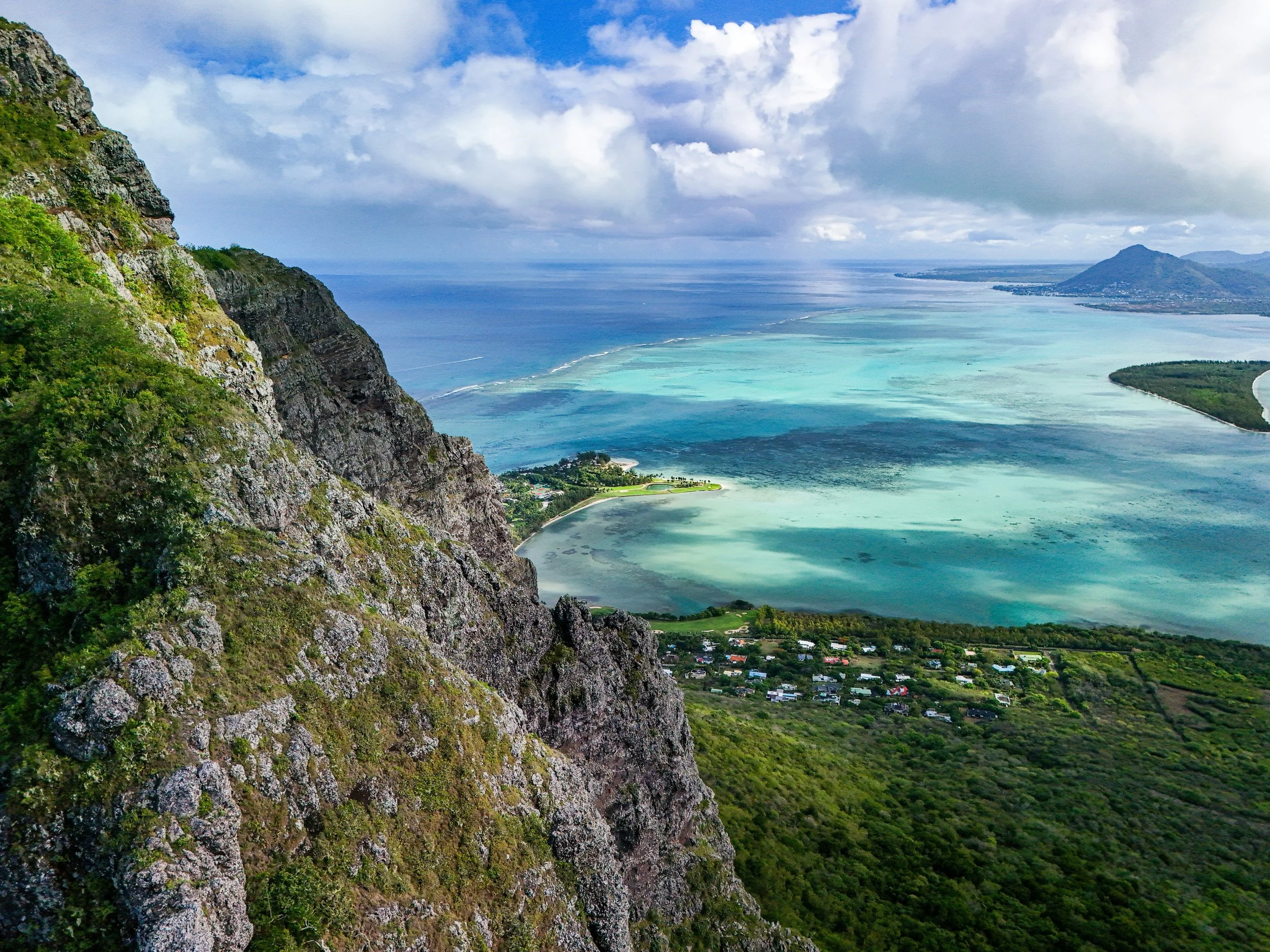
Photo by Sourabh Adhya on Unsplash